The Numbers Nobody’s Talking About
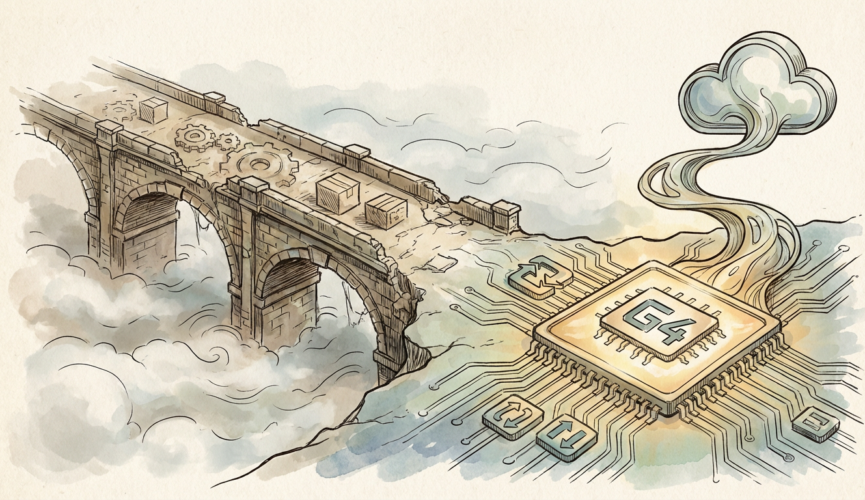
AWS re:Invent 2025 dropped some genuinely interesting data that got buried under the usual keynote spectacle. Graviton4-based instances now account for over 35% of all new EC2 workloads, nearly doubling from 18% the year before. That’s not the kind of adoption trajectory you get from marketing hype. That’s what happens when your economics are undeniably better and the friction to adoption finally evaporates.
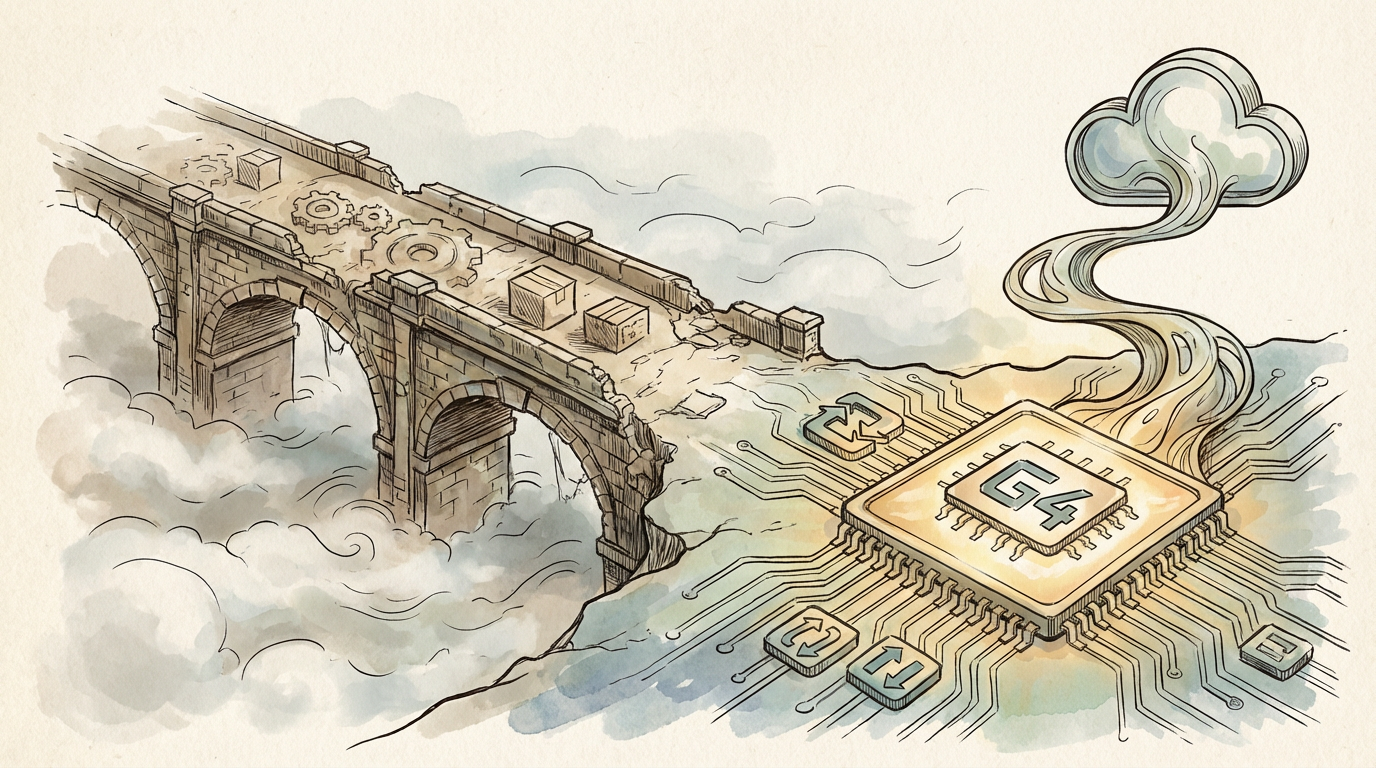
That 35% figure represents a fundamental shift in how organizations are architecting on cloud, even if most teams haven’t consciously registered it yet. We’re watching the end of the x86 monopoly in earnest, and unlike the previous decade of ARM-on-cloud false starts, this time it’s actually happening.

When Economics Become Undeniable
The performance benchmarks tell the real story. AWS Graviton4 instance performance benchmarks demonstrate up to 40% better price-performance on compute-intensive workloads compared directly to x86 equivalents at the same tier. That’s not margin noise. That’s money left on the table if you’re still defaulting to Intel or AMD.
I’ve spent enough time reading benchmark reports to develop an allergy to them, but these numbers started showing up in real production telemetry from actual customers. When you can reduce your per-instance cost by a meaningful percentage while maintaining or improving performance, you stop making the decision based on religious attachment to ISA. You make it because your CFO suddenly cares about your infrastructure budget.
The trap most organizations fell into was assuming the ARM transition would be incremental, that you’d migrate workload by workload over years. But when the economics are this clean and the ecosystem friction this low, adoption accelerates. The lift-and-shift generation, the teams that moved workloads to cloud in 2015-2018 without rearchitecting a single thing, are suddenly facing an uncomfortable reality: their technical debt is now a financial liability.
The Lock-In Nobody Wants to Admit
Flexera 2025 State of the Cloud Report found something that should terrify anyone managing infrastructure at scale: 59% of enterprises still running lift-and-shift workloads cited x86 dependency lock-in as their primary barrier to re-architecture. Let that sink in. Three years into the ARM transition, the biggest blocker preventing people from capturing 40% cost savings isn’t capability or maturity. It’s inertia.
This is the legacy of the “just move it to the cloud as-is” era. You copied your architecture wholesale. Your code probably wasn’t written for the cloud. It’s almost certainly not optimized for anything. And now you’re stuck because unpicking a decade of poorly layered technical decisions while maintaining uptime is basically a full-time job that your organization doesn’t want to fund.
What makes this worse is that IDC’s analysis suggests organizations still committed to x86-only strategies are paying an average 22% compute premium annually compared to those running ARM-optimized workloads. That’s not a rounding error. That’s the cost of organizational stubbornness.
The Ecosystem Excuse Finally Dies
The last credible objection to ARM in production was always the ecosystem. “We can’t run it because vendor X doesn’t support ARM” was a legitimate blocker in 2019. It stopped being credible around 2022. By 2025, it’s nostalgia.
Red Hat’s 2025 State of Linux report clocked RHEL on ARM64 deployments at 94% year-over-year growth. That’s not early adopter territory. That’s mainstream adoption. Every major database now runs ARM. Container runtimes are ARM-native. Observability stacks have been ARM-ready for two years. The tooling isn’t the constraint anymore.
What you’re really hearing when someone says “we can’t support ARM” in 2025 is: “we haven’t invested in validating it” or “our procurement process favors x86 vendors.” That’s organizational inertia, not technical reality. And inertia is expensive.
What This Actually Means for Your Architecture
If you’re still making infrastructure decisions based on whether they’re “cloud-native” or how they look on a slide deck, you’re being left behind by people who are just comparing total cost of ownership. Graviton adoption at this scale isn’t a trend. It’s the blueprint for the next decade of infrastructure decisions.
The teams winning right now are the ones who spent the last two years running small validation workloads on Graviton, building the operational muscle memory, and waiting for the tipping point. That tipping point is now. The 35% adoption rate represents the moment when switching to ARM becomes the default assumption, not the exception.
If you’ve been sitting on the sidelines waiting for someone else to de-risk this, the risk window has officially closed. The hard part now isn’t whether ARM works in production. It works. The hard part is getting your organization to admit that your current x86 strategy is making you less competitive.
What workloads are you still running on x86 that could migrate? What would it actually take to validate a Graviton4 deployment in your environment? I’d genuinely love to hear what’s keeping you anchored to the old architecture, because at this point it’s probably more interesting than the hardware itself.