Before getting into the details, it’s worth explaining why this particular development matters so much to tech audiences who already understand the complexities here.
Five Years Later, Still Getting Better
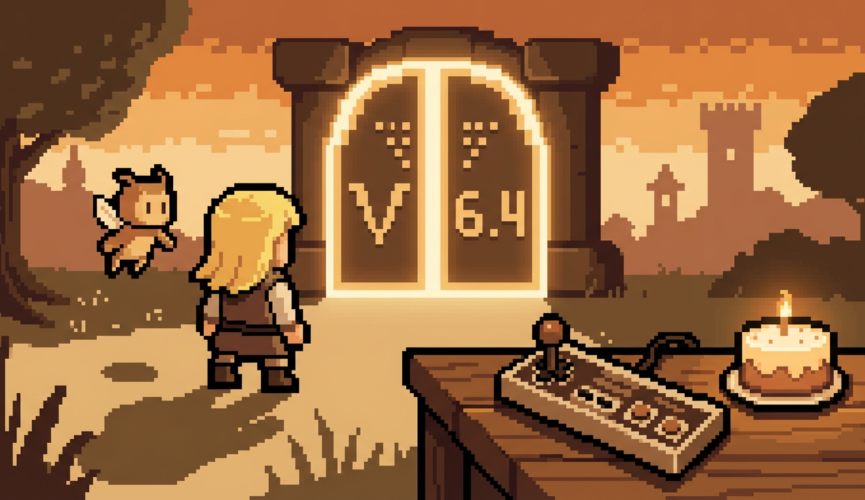
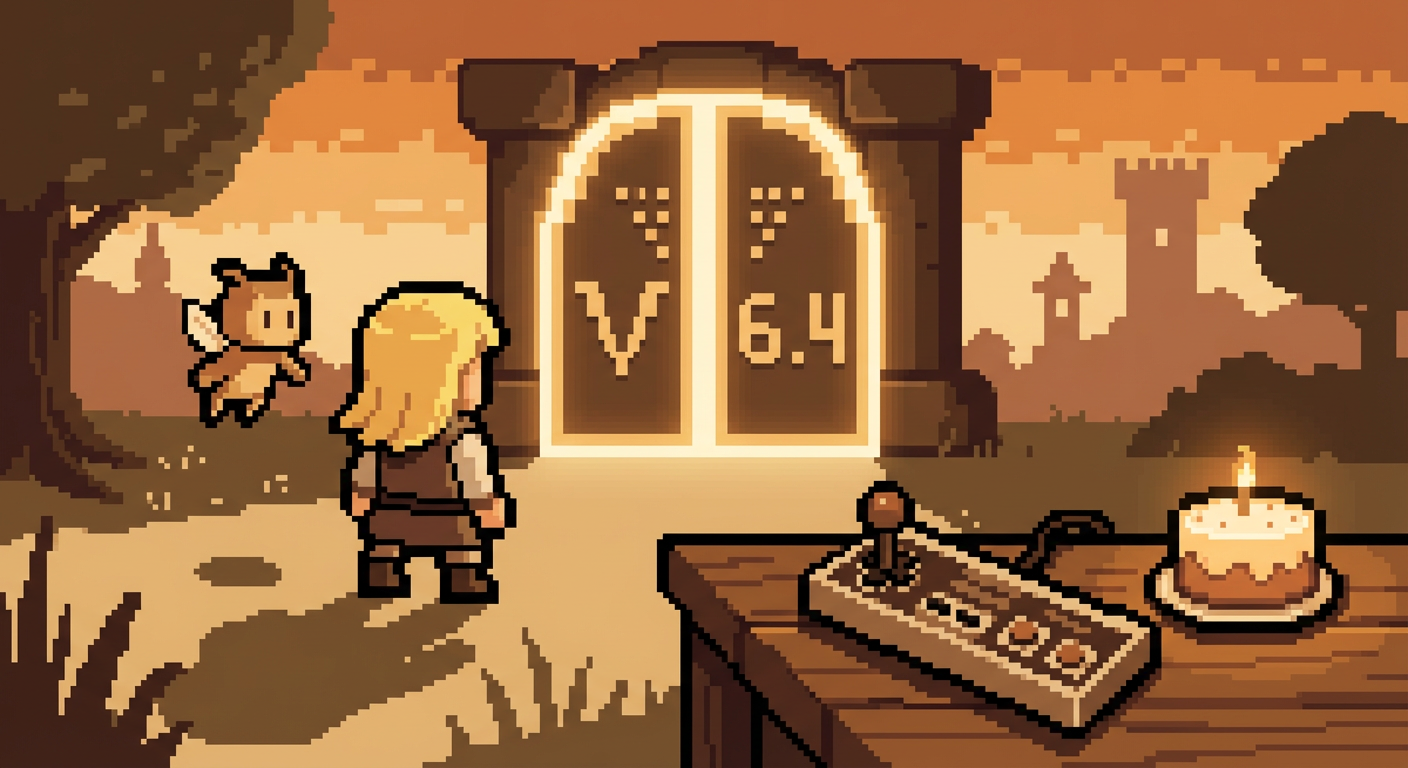
The gacha game market is packed with quality options right now. I’ve never seen this many genuinely good titles competing for attention. But somehow, Genshin Impact keeps finding ways to stay relevant among all these excellent alternatives. As Version 6.4 approaches and the game hits its fifth anniversary, it’s become something pretty rare in mobile gaming: a live service that actually got more ambitious over time instead of coasting on its early success.
Here’s what I find interesting about this timing. Why does it matter now, specifically?
The numbers help explain part of it. Over 65 million monthly players across PC, mobile, and PlayStation. It’s still one of the top ten highest-grossing mobile games globally. That kind of revenue gives HoYoverse serious resources to work with. But what they’ve done with that money is what actually matters. Instead of just keeping the lights on, they’ve kept pushing the game in new directions.
Characters We’ve Been Waiting Years to Meet
Take Varka’s recent release as a playable character. This guy has been mentioned constantly since launch but never actually appeared. The Grand Master of the Knights of Favonius was basically Genshin’s most famous no-show. His arrival feels less like another gacha banner and more like the payoff to a story thread that’s been building for years.
Most games would have rushed him out in year two to capitalize on player interest. HoYoverse waited. That patience makes all the difference between a character that feels like a cash grab and one that feels earned. The Genshin Impact official team has figured out that some rewards get better when you make people wait for them.
Nod Krai Changes How We Think About New Regions
New areas have always been Genshin’s bread and butter, but Nod Krai does something different. Earlier regions mostly gave us variations on climbing, gliding, and puzzle-solving. Nod Krai introduces mechanics that feel fresh even after five years of exploration.
What I appreciate is how much trust the developers are showing in their players now. Early regions walked you through every new concept. Nod Krai assumes you know what you’re doing and throws you into more complex environmental storytelling and traversal challenges. It reflects how the community has grown from beginners figuring out elemental reactions to veterans who want systems that really test their skills.
The region connects naturally to the rest of Teyvat without feeling tacked on. It’s like finding a part of the world that was always there, waiting to be discovered. Players digging into all the details should check out the Genshin wiki and guides community, which has already started documenting the complex interactions that make exploration so satisfying.
User-Generated Content and Surprising Partnerships
Version Luna II brought user-generated content tools that actually change how people play. These aren’t just cosmetic customization options. Players can design challenges, share exploration routes, and create their own narrative experiences. After five years, the most dedicated players have developed genuine expertise. These tools give them somewhere to channel it.
The implementation is smart too. Instead of overwhelming people with complex creation suites, HoYoverse focused on intuitive tools that anyone can pick up but still offer depth for ambitious projects. Early community creations show just how much potential this system has to keep the game alive basically forever.
Then there’s the Duolingo collaboration, which honestly caught me off guard. Connecting language learning with adventure rewards is the kind of creative thinking that keeps old games feeling fresh. It adds real value for players while pulling Genshin into conversations beyond gaming. Not every crossover needs to be another anime tie-in.
What This Means for Live Service Games
Genshin Impact’s five-year run teaches some important lessons about sustainable live service design. The secret isn’t flashy overhauls or constant reinvention. It’s consistent quality improvements and respecting the time players have already invested. Every major update builds on previous content instead of replacing it. Growth instead of resets.
Look at how they handle power creep. New characters and weapons add options without making your existing investments worthless. That balance requires careful design work, but it creates a healthier ecosystem where people feel safe committing long-term. Five years later, launch characters are still viable and beloved. New additions expand possibilities rather than forcing upgrades.
As the fifth anniversary approaches, Genshin Impact proves that ambitious live service games can stick to their vision while continuing to grow. Patient storytelling, thoughtful feature additions, and genuine respect for community creativity have created something rare in mobile gaming: a world that actually feels worth living in for years. In an industry often criticized for chasing short-term revenue over long-term player satisfaction, Genshin Impact shows there’s a better way to do this.
The bigger picture connecting gaming trends, mobile entertainment, and digital culture is exactly what metatrend.app maps. If the questions this piece raises matter to you, that is a good place to continue the conversation.
If you work in or around this space, the practical implications are worth mapping against your current tooling and roadmap. Try it yourself — the repo is linked above.